Long-Term Care Trends Shaping Quality and Survey Readiness: Market Mover

Long-term care is evolving in how quality, access, and workforce stability are defined, with growing focus on care models, staffing, and oversight. Policymakers, payers, and industry stakeholders continue prioritizing home-based care, nursing facility quality, and workforce shortages, while survey readiness shifts toward ongoing visibility rather than last-minute preparation.
Recent federal discussions reflect these priorities, emphasizing expanded home care access, stronger quality incentives, and workforce development to support recruitment and retention. In response, organizations are using data-driven tools like Market Mover® to connect policy trends with daily operations—helping teams identify risk earlier, prioritize improvements, and track performance more consistently.
This article explores key trends and how Market Mover turns them into actionable insights for quality and survey readiness.
Trends Reshaping Long-Term Care
Long-term care is shaped by demographics, regulations, reimbursement changes, and workforce pressures, with a few consistent themes driving how providers operate and are evaluated.
1. More care delivered outside traditional facilities
Care is increasingly shifting toward home- and community-based settings as policymakers and providers prioritize patient preference, independence, and cost-effective options. Federal discussions continue to support expanding home care access and aligning incentives so patients receive care in the most appropriate setting.
This shift impacts referrals, discharge planning, and coordination across hospitals, skilled nursing, home health, and community providers, with increased emphasis on smooth transitions across the care continuum.
2. Expanded definition of quality
Quality is no longer defined only by regulatory compliance. It now includes outcomes such as readmissions, functional improvement, staffing stability, and patient experience.
Survey agencies and payers are also focusing more on sustained performance rather than one-time results, raising expectations for consistent improvement over time. As a result, organizations are placing greater emphasis on ongoing monitoring, benchmarking, and internal review instead of periodic survey-driven checks.
3. Ongoing workforce challenges
Staffing shortages and retention issues remain a major challenge across long-term care. Recruiting and retaining nurses, direct care staff, and therapy professionals continues to be difficult in most markets.
Policy and industry efforts focus on strengthening recruitment and retention strategies due to the clear link between workforce stability and outcomes like safety, hospitalizations, and overall quality.
Because staffing fluctuations quickly affect performance, organizations increasingly view workforce data as a core operational and quality metric—not just an HR issue.
4. Rising expectations for documentation and compliance
Documentation accuracy, coding consistency, and regulatory compliance remain essential, but expectations are increasingly tied to real-time care delivery and outcomes.
Consistency, timeliness, and alignment between documentation and actual care are critical, as small process gaps can significantly impact both quality reporting and survey results.
As a result, organizations need ongoing visibility into documentation workflows to identify issues early and prevent larger problems during audits or surveys.
Turning Policy and Industry Trends into Action
As long-term care priorities continue to evolve, providers need more than static reports or disconnected data points—they need a clearer way to understand what’s happening in their markets and how it should shape strategy and day-to-day decisions.
That’s where Market Mover comes in.
Market Mover is a data-driven market intelligence and strategy platform that helps long-term care organizations make smarter, more informed decisions. Instead of relying on guesswork or fragmented reporting, it gives teams a clearer view of their market landscape so they can build stronger strategies, identify opportunities, and tell a more accurate, compelling story about performance and growth.
Think of it as an extra set of hands—like having a market strategist or business intelligence partner—helping guide decisions with data instead of assumptions.
Figure 1

Figure 1: Facility Compliance Summary from Market Mover
What Market Mover Helps You Do
Market Mover combines clinical, operational, claims, and market data in one platform, giving teams a clearer view of internal performance and external conditions.
With Market Mover, organizations can:
Analyze claims with flexible filters
Track quality and performance trends
Monitor competitors and referral targets
Organize and save market insights
Visualize markets with interactive maps
Understand local population data
Explore providers across U.S. care settings
Review affiliations and relationships
Assess provider density and saturation
Track key KPIs over time
This connected view supports more strategic, less reactive decision-making.
Figure 2
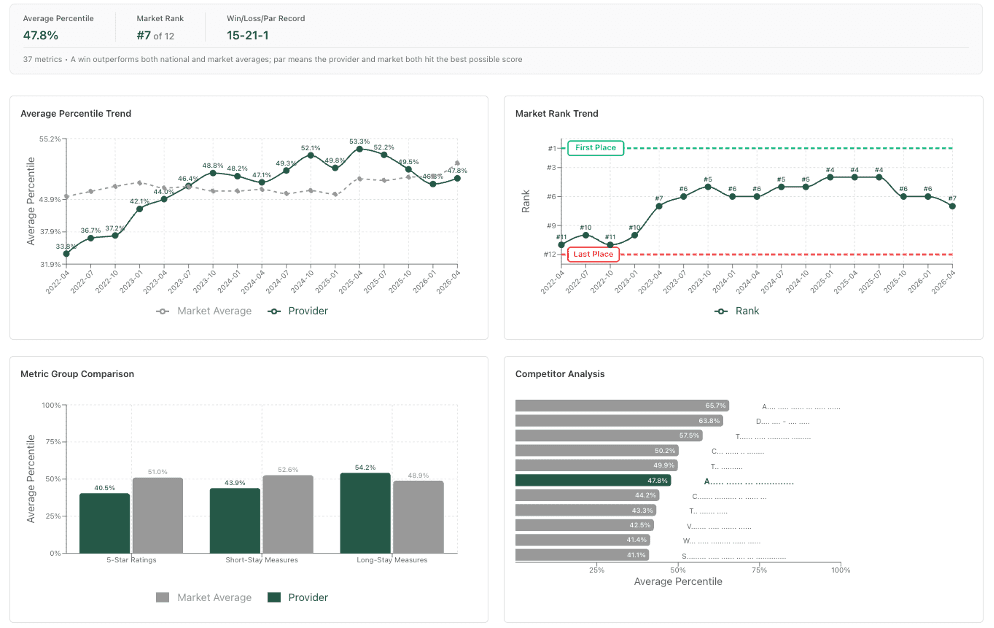
Figure 2: Facility Quality Summary from Market Mover
How This Supports Long-Term Care Strategy
In the context of long-term care trends, tools like Market Mover help organizations connect what’s happening in the broader environment—policy shifts, workforce pressures, and quality expectations—with what’s happening in their own markets.
Instead of asking “What happened last quarter?” teams can start asking:
Where are the biggest opportunities for growth or improvement?
How do staffing and quality trends vary across our market?
Which partners or referral sources matter most right now?
Where are we gaining or losing competitive ground?
This kind of visibility helps organizations align clinical performance, marketing strategy, and operational planning in a more coordinated way.
Figure 3
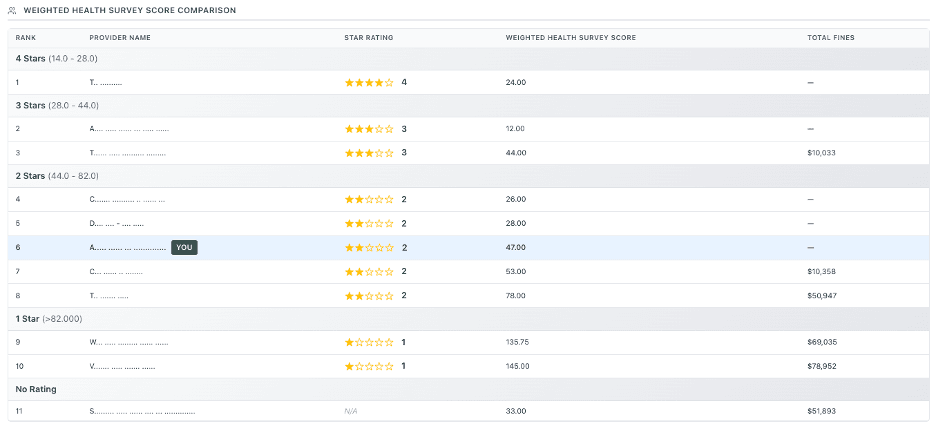
Figure 3: Weighted Health Survey Score Comparison from Market Mover
From Data to Strategy to Story
One of the biggest advantages of Market Mover is that it doesn’t just present data—it helps teams turn that data into action.
By connecting market intelligence with performance metrics, organizations can better understand how to position themselves, where to focus resources, and how to communicate value to referral sources, partners, and stakeholders.
Instead of guessing what matters most, teams can ground their decisions in real market signals and trends.
Figure 4

Figure 4: Facility Top Quality Wins and Opportunities from Market Mover
Supporting Smarter Decisions in a Changing Environment
As long-term care continues to shift toward greater accountability, competition, and transparency, organizations need tools that help them see the full picture—not just internal performance, but the broader market context they operate in.
Market Mover supports that need by giving teams clearer insight into:
Where demand is growing
How competitors are positioned
What quality and utilization trends look like locally
Where referral and partnership opportunities exist
The result is more informed strategy, stronger alignment across teams, and better decision-making at every level of the organization.
Figure 5
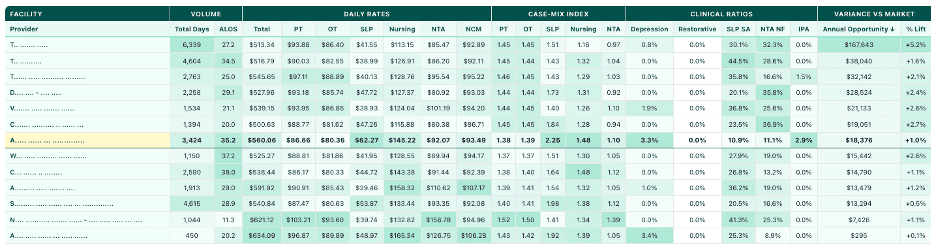
Figure 5: PDPM Competitor Comparison from Market Mover
Build a Smarter, More Data-Driven Strategy with Market Mover
Long-term care organizations don’t just need more data—they need better clarity on how to use it.
Market Mover helps teams move beyond assumptions and fragmented reporting by delivering a connected view of market intelligence, quality trends, and operational signals. The result is smarter strategy, stronger positioning, and more confident decision-making.
Ready to see it in action? Visit the Market Mover website to learn more or schedule a demo.